Made-in-Italy B2B Production Platform
Bespoke and made-to-measure manufacturing for brands who already sell.
You focus on selling. We handle everything after the order: Made-in-Italy production, fabric sourcing, order routing to the right workshop, logistics and a lead time you can promise your customer.
For existing brands, retail stores, e-commerce and made-to-measure sellers. Not yet trading? Start with the learning path instead.
- 100% Made in Italy
- No minimum order
- Order routing handled
- Lead times you can promise
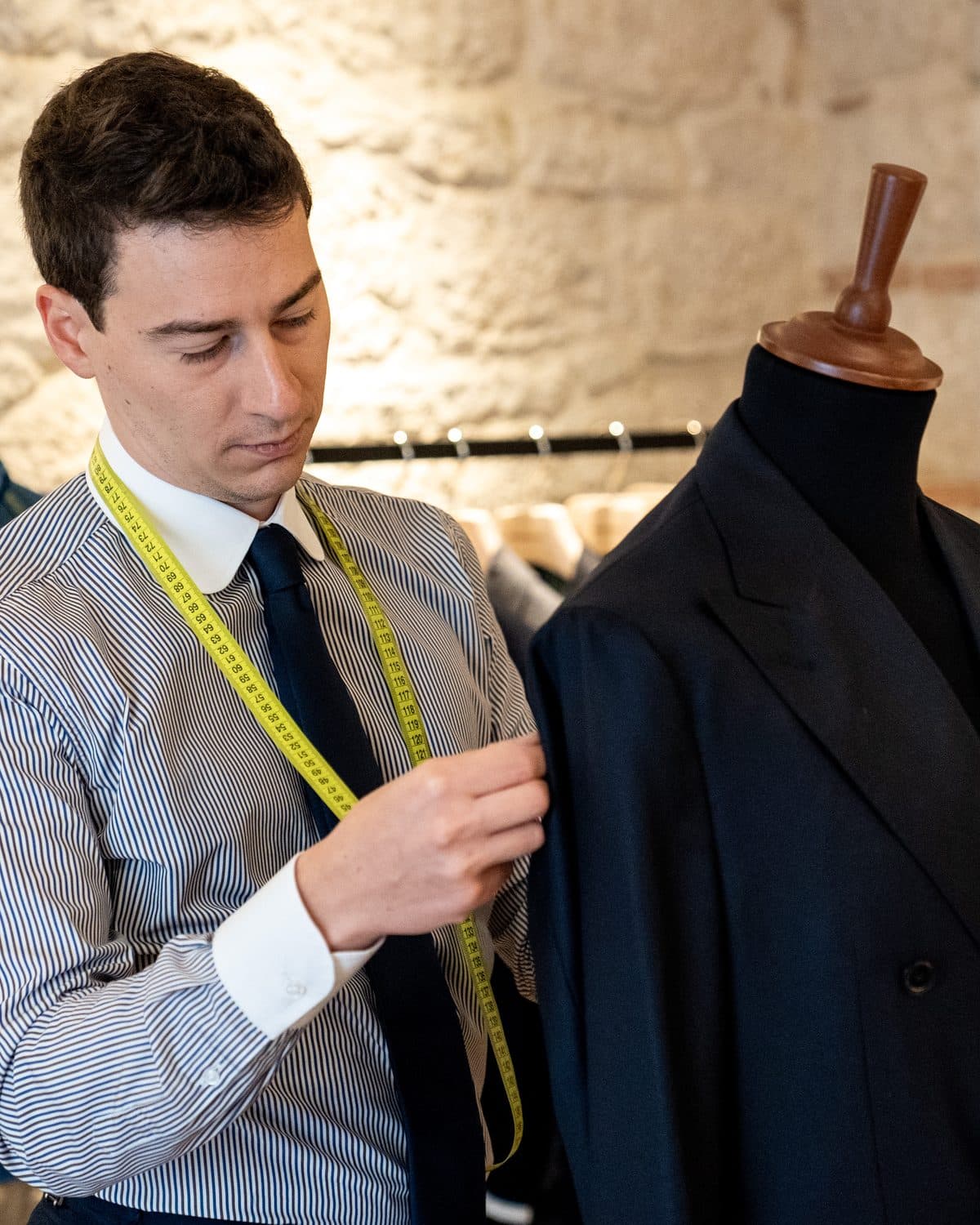
You sell, we produce
One order routes fabric, workshop, QC and delivery.
- 100%Made in Italy production
- No MOQOrder from a single piece
- One partnerFabric, workshop, QC and shipping
- On demandMade to order, no dead stock
Who this is for
Built for businesses that are already selling
We are a production partner, not a business school. The platform pays off when there is already demand on the other side of it — so it is worth being honest about fit before either of us spends an hour on a call.
Talk to us if
- You already sell clothing: a brand, a retail store, an e-commerce or a made-to-measure service.
- You have customers today and want Made-in-Italy production behind them.
- You import from Asia and the landed cost is closing in on Italian manufacturing.
- You run a store and want to sell made-to-order without buying stock in advance.
- You are a manufacturer or fabric supplier with capacity or cloth to place.
Start with the learning path if
- You have an idea for a fashion brand but have not sold anything yet.
- You are still deciding what product, category or market you want to serve.
- You need help registering a company, building a brand or pricing a collection.
None of this is a rejection. It is a sequencing problem: production decisions get cheaper once the product and the customer are decided.
See the learning pathWhat you get
Everything after the order, handled
Selling is the hard part and it is the part you own. Sourcing fabric, choosing a workshop, chasing production and managing shipping is overhead that scales badly. That side runs through us.
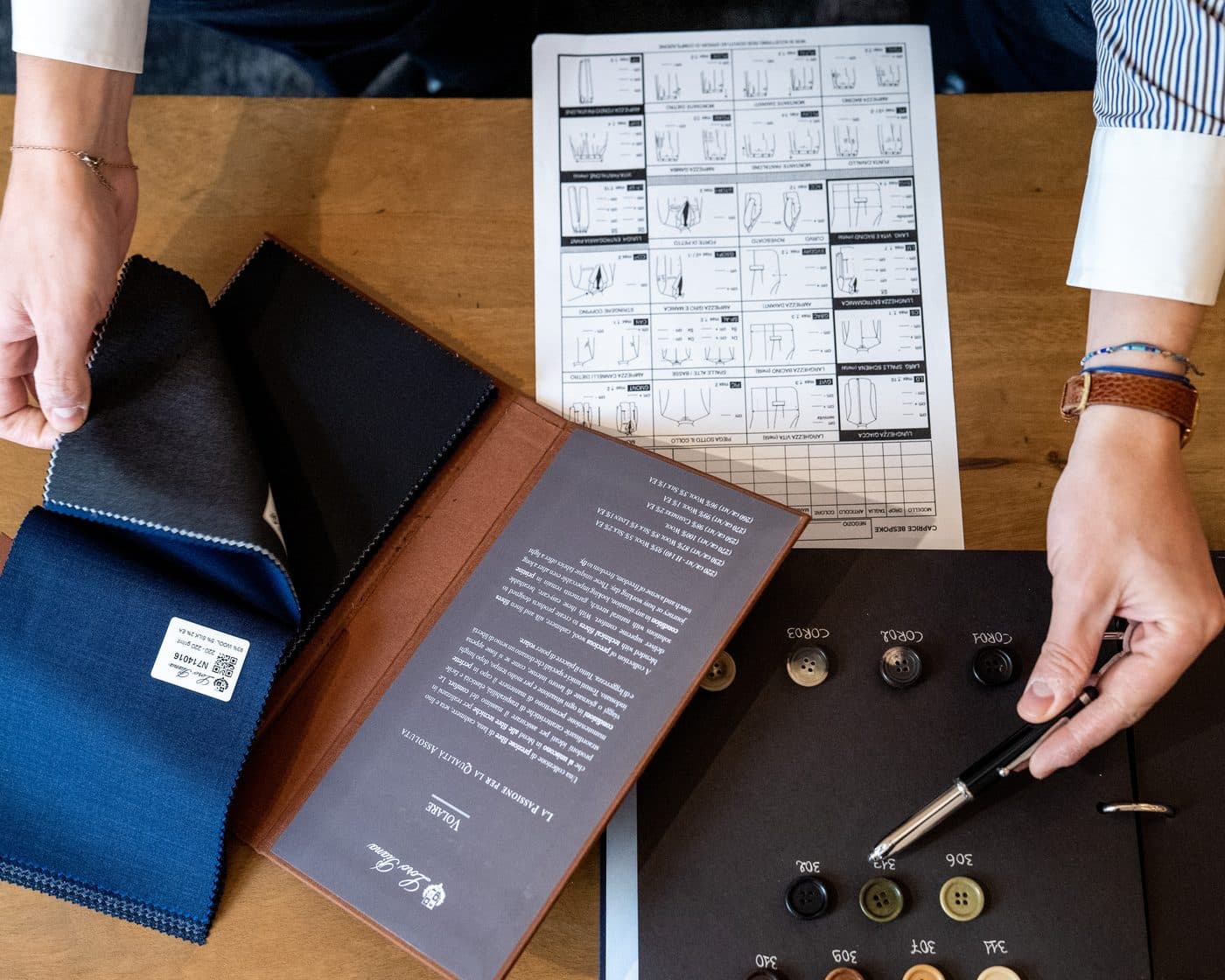
One order routes the whole chain
Confirm an order and the platform allocates it: the right workshop for that product, the fabric from the right mill, the production slot and the shipment. You do not coordinate four suppliers by email.
A lead time you can promise
You see where an order actually is, so you can tell a customer a date and hold it. Production visibility is a selling tool at the counter, not just an operations screen.
Made to order, less capital in stock
Each garment is cut after the sale. Less overstock, fewer markdowns, and cash that stays in the business instead of sitting on a rail waiting for the sale season.
Made-in-Italy quality, under your label
Private label and white label production with traditional Italian craftsmanship. Your design, your brand, finished to the standard of a working made-to-measure atelier.
For retailers
Sell first. Produce second.
Retailers we speak to describe the same shift: a shrinking share of the collection sells at full price, and a growing share clears in the sale season. That is not a merchandising problem, it is a timing problem. Stock is bought long before demand is known.
Made-to-order production reverses the sequence. You carry fitting samples instead of inventory, take the order in store, and we produce the piece that actually sold. This section makes the argument; how it runs for a brand or a retail store covers what changes operationally.
The stock model
- 01
Forecast
Guess next season months ahead.
- 02
Buy
Commit capital before any demand.
- 03
Stock
Hold sizes nobody has asked for.
- 04
Discount
Clear the forecasting error at a loss.
The made-to-order model
- 01
Sample
Hold fitting samples in store, not stock.
- 02
Sell
Take the order once the customer commits.
- 03
Produce
Make the exact size and spec that sold.
- 04
Deliver
Ship to the store or straight to the customer.
Ready-to-wear, made-to-order and made-to-measure run through the same ordering workflow, so a store can move part of its range without rebuilding how it buys.
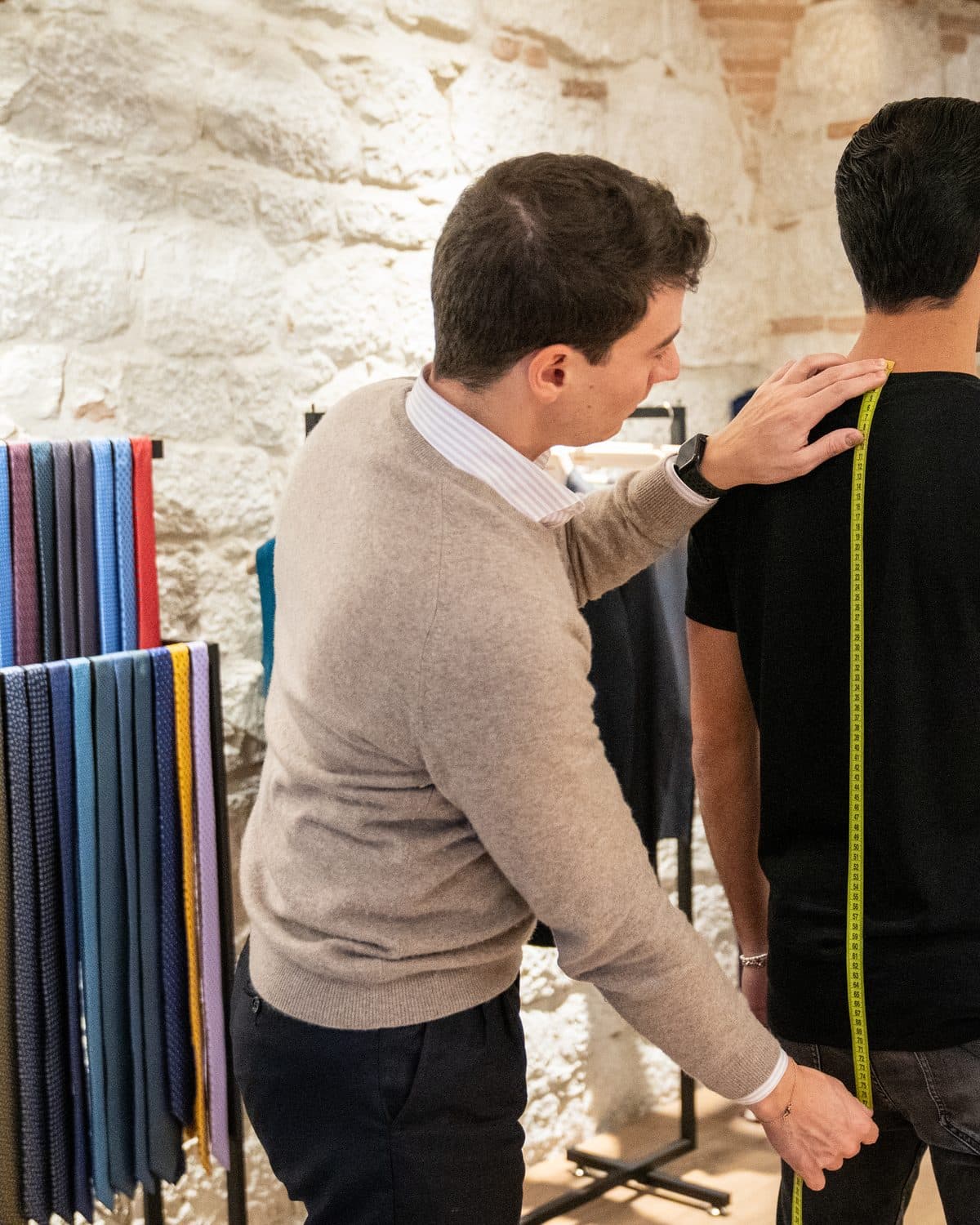
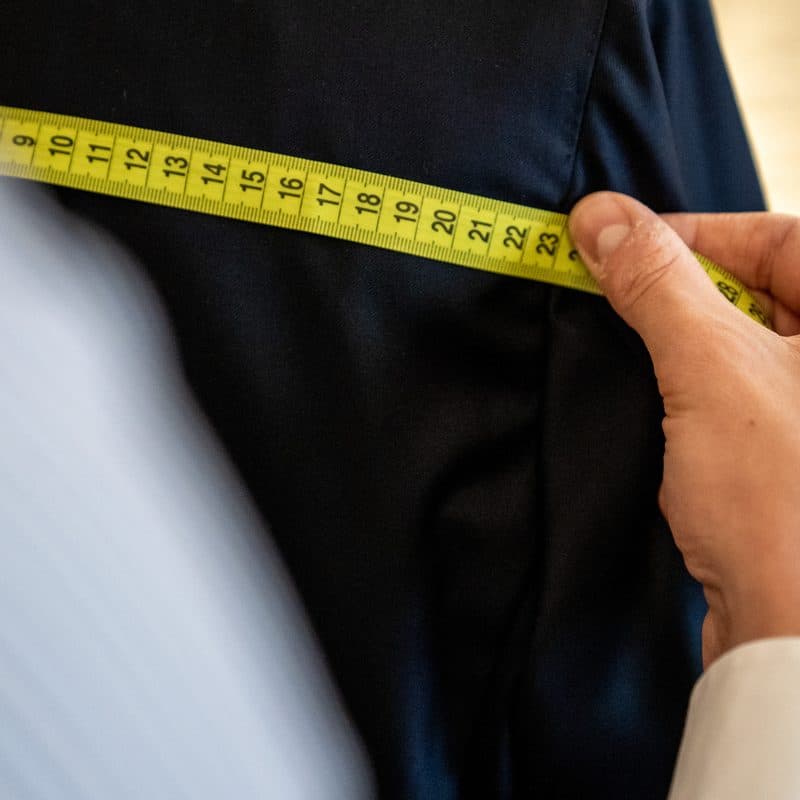
Choosing a model
Made-to-order, bulk MOQ or print-on-demand
These three get talked about as if they were the same decision. They are not: they differ on what you risk, what you control and where the garment is actually made. Print-on-demand is usually what a search for “production without holding inventory” returns, and it is a different product from this one.
| Criterion | Made-to-order with Caprice | Bulk production with an MOQ | Print-on-demand |
|---|---|---|---|
| Minimum order | 1 garment. | Typically tens to hundreds of pieces per style, set by the workshop and by mill cut lengths. | 1 item, but only in the blank the supplier already stocks. |
| Capital at risk before you sell | The sample. Production is paid against orders you already hold. | The whole run, committed months before demand is known. | None, traded against the lowest margin of the three. |
| What you can change | Cloth, construction, fit, trims, labelling — the garment is made to your specification. | The same, at the cost of committing to the full run. | Artwork on somebody else’s blank. Cut and cloth are fixed. |
| Where it is made | Italy. A made-to-measure atelier in Molise plus a network of Italian workshops and mills. | Wherever the quoted price comes from, which is the usual reason the MOQ is high. | Wherever the blank was produced. Rarely disclosed, rarely Italian. |
| Lead time | Two scheduled stages — sampling, then production after you approve the sample. Confirmed in writing per project before you commit. | Long and front-loaded: the whole run is produced before any of it sells. | Short per item, because nothing is actually made to order but the print. |
| What you have to supply | A sketch, a sample to copy or a reference is enough. We turn it into a production-ready spec. | Usually a complete tech pack before anyone will quote. | Artwork. |
| Best fit | Businesses already selling that want Italian production without buying inventory ahead of demand. | Ranges with proven, predictable volume where unit cost is the binding constraint. | Testing graphics and merchandise, not building a garment brand. |
If the range you are choosing for already sells, the brands and retailers page covers how an order runs end to end. If you have not sold anything yet, the free learning path is the more useful starting point — costing and fabric minimums decide this choice more than the production model does.
How it works
From an idea to a finished garment, made in Italy
One coordinated process replaces the months most operators spend sourcing factories, vetting fabric and chasing production. You stay close to the customer; we handle the chain behind them.
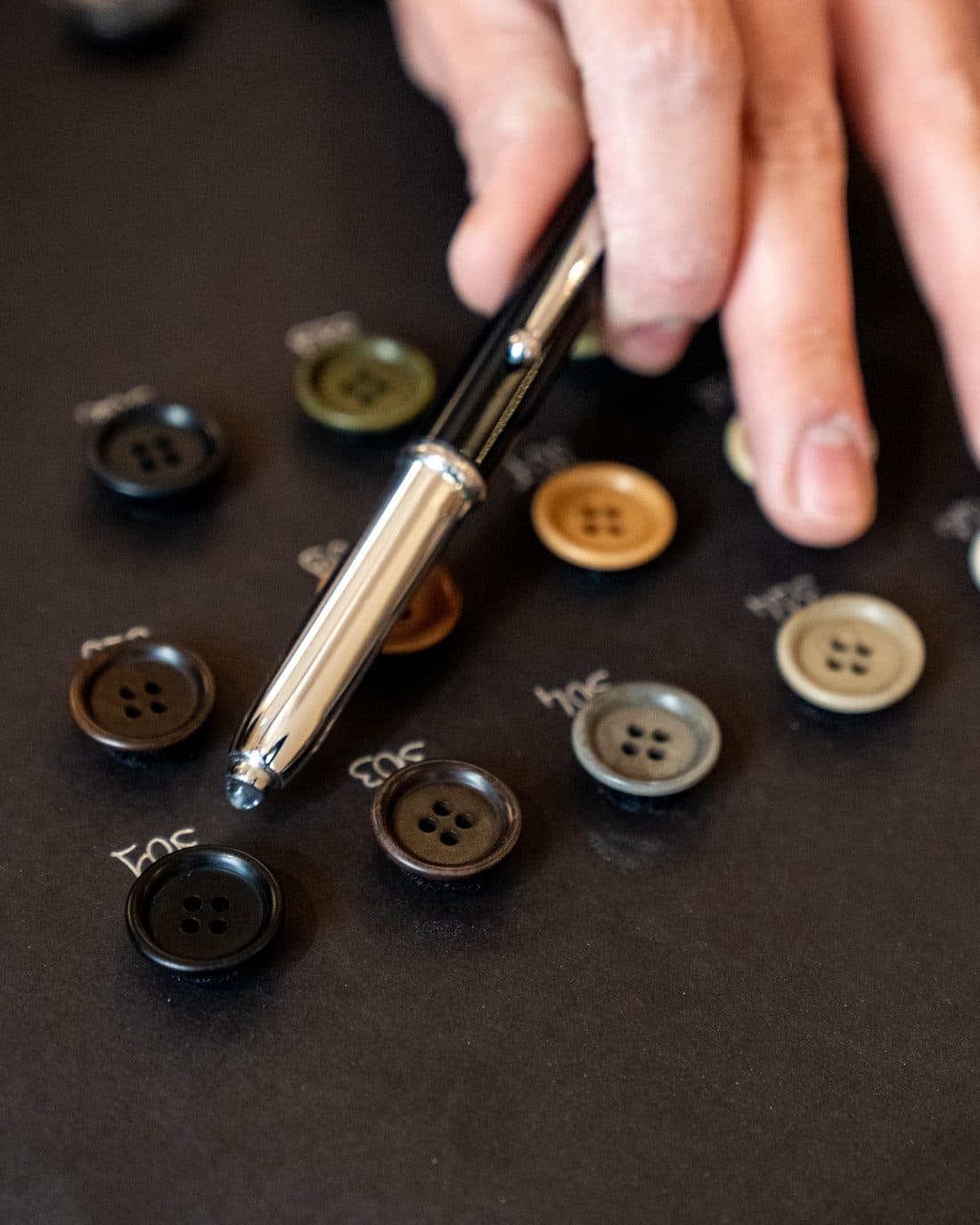
- 1
Tell us what you sell
Send the product you want made and what you already sell today. A sketch, a tech pack, a sample to copy or a reference is enough to start.
- 2
We route fabric and workshop
We select the Italian workshop suited to that product and source the cloth from partner mills, then turn it into a production-ready specification.
- 3
Sample and approve
We produce a sample and refine the fit, fabric and finish with you until it is right. Nothing goes into production until you approve it.
- 4
Sell, then we produce and deliver
Once you sell, the order routes itself: production slot, quality control and shipping to you or straight to your customer, with a date you can quote.
Tell us what you already sell and we reply with makers, cloth and a timeline.
What we make
Tailoring and ready-to-wear, produced under your label
Tailoring, knitwear, shirting and accessories. From one made-to-measure piece to a repeating seasonal run, cut and finished in Italy.
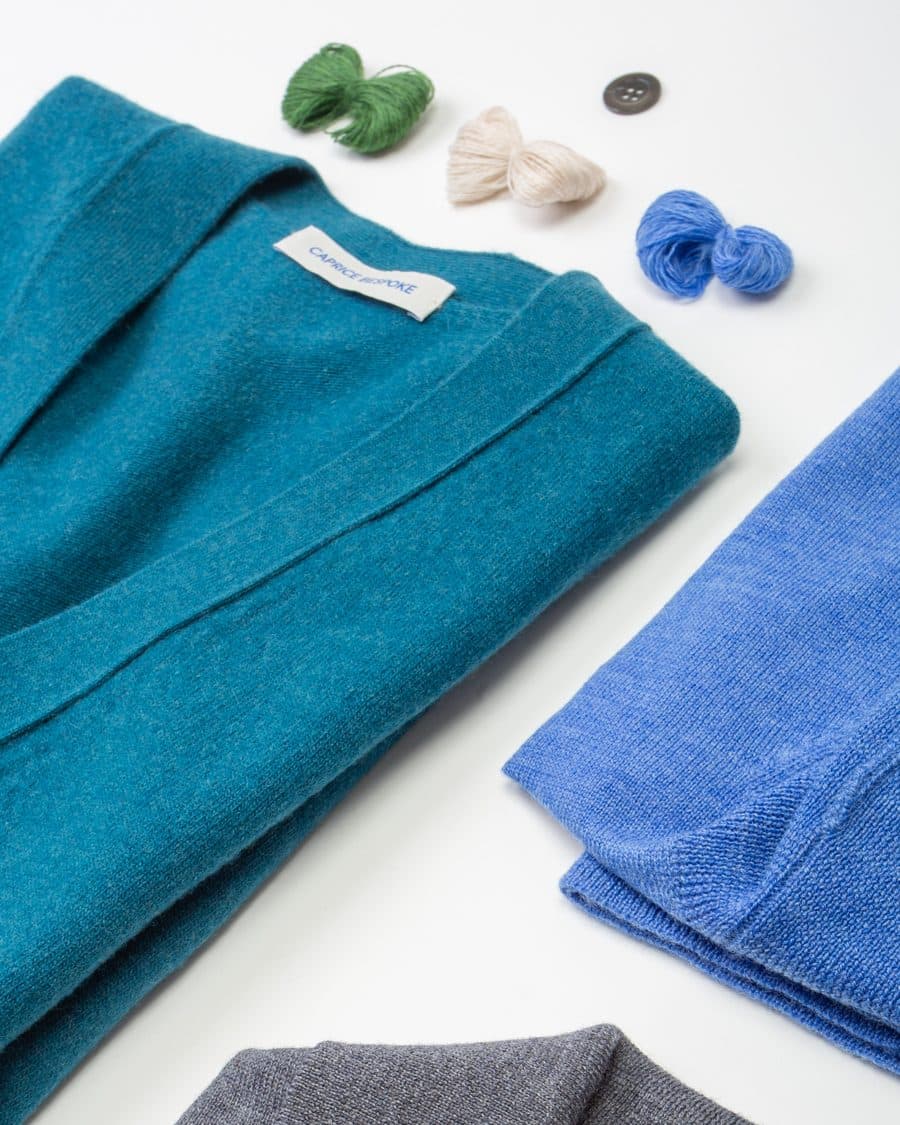
Fine-gauge knitwear 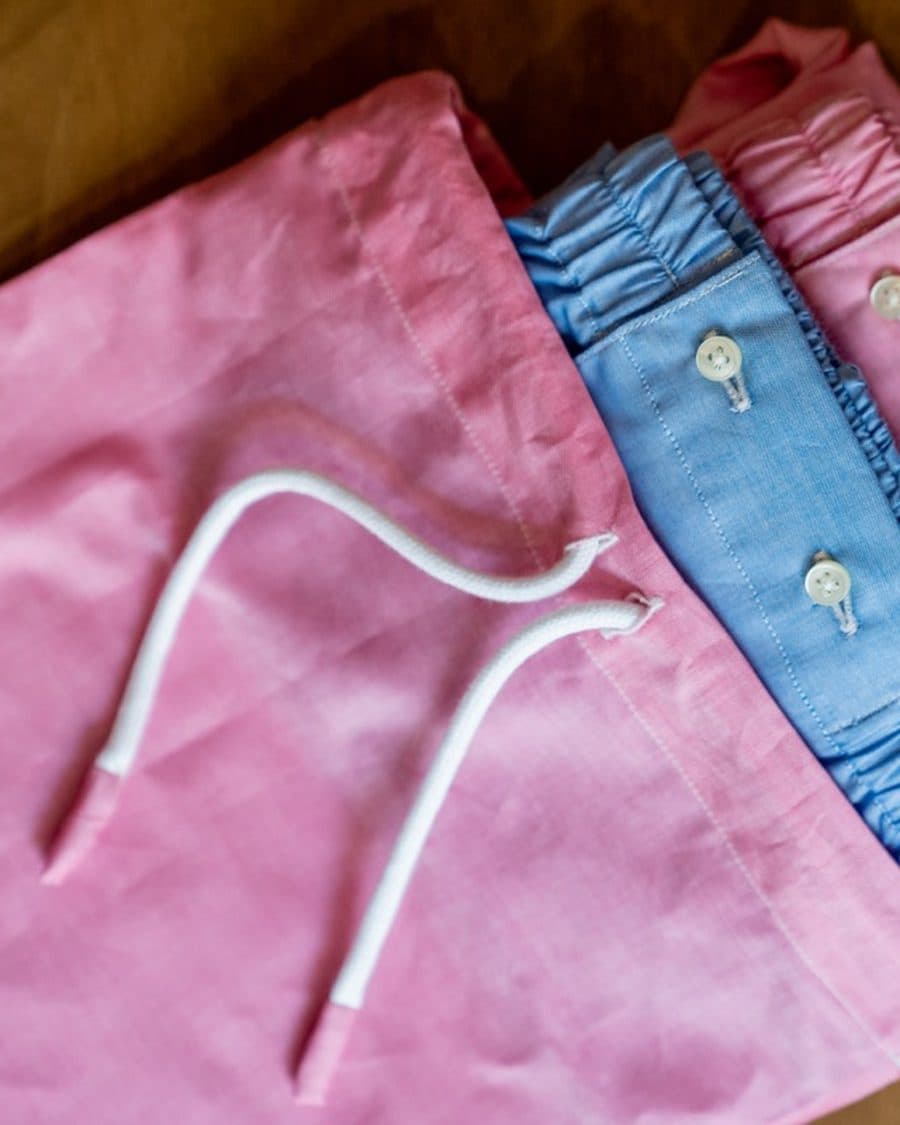
Cotton shorts, made to spec 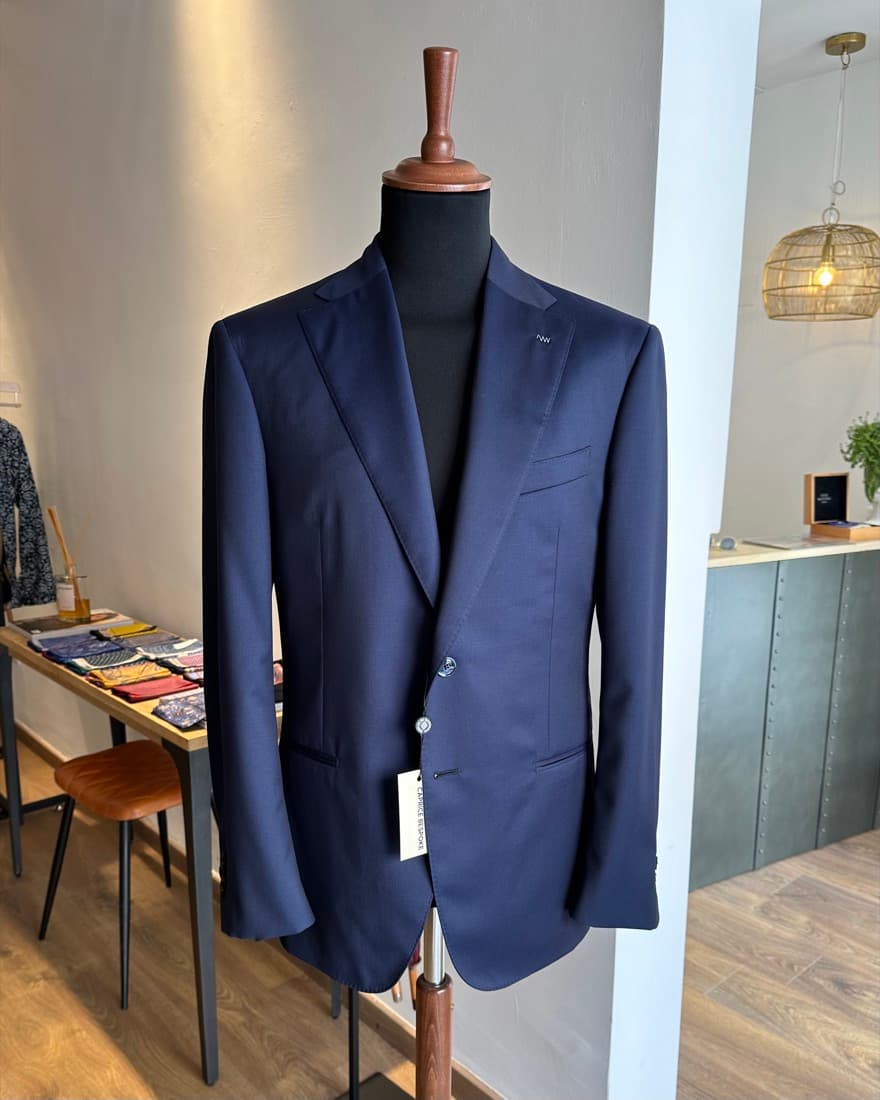
Tailoring, made to measure 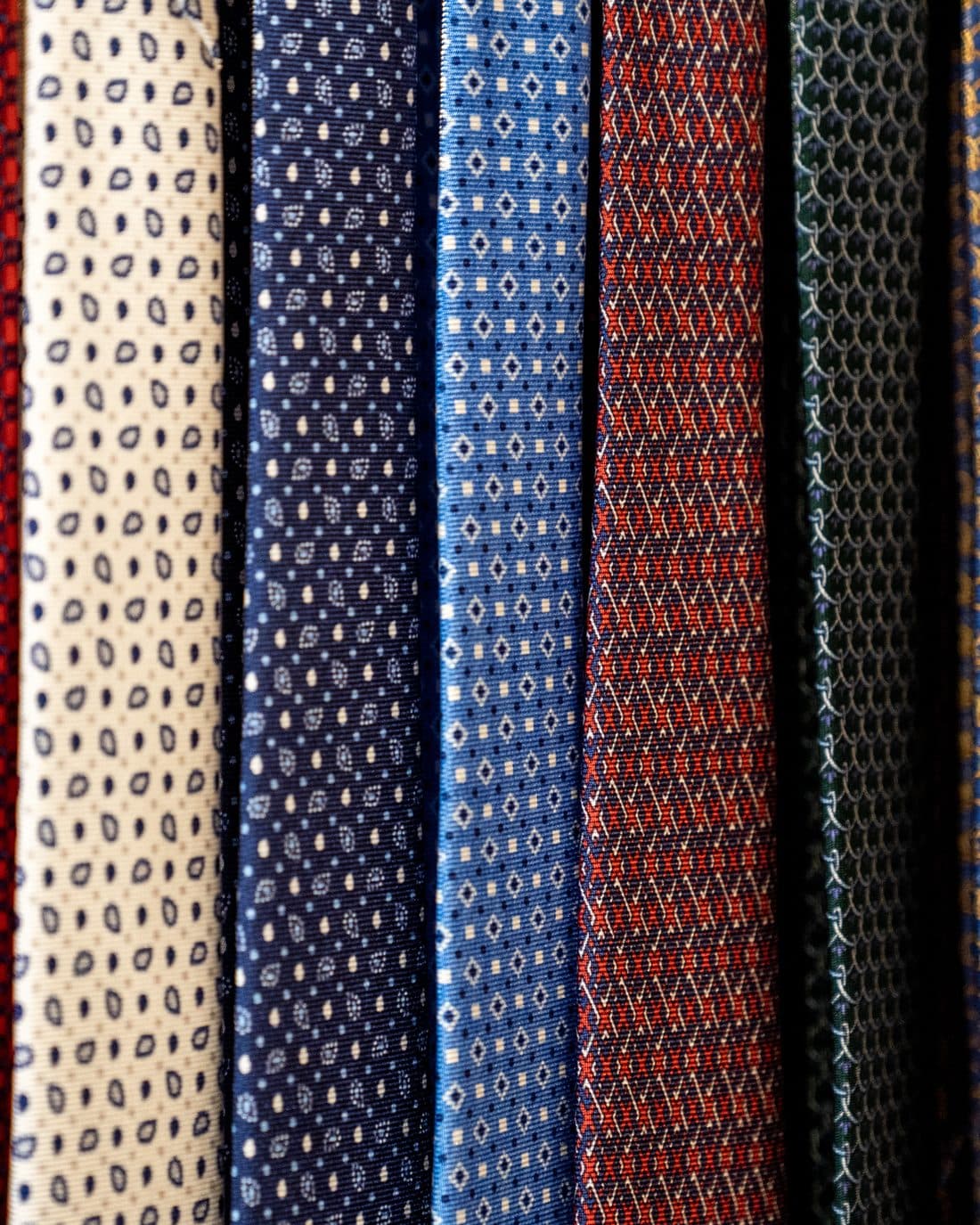
Neckwear and accessories 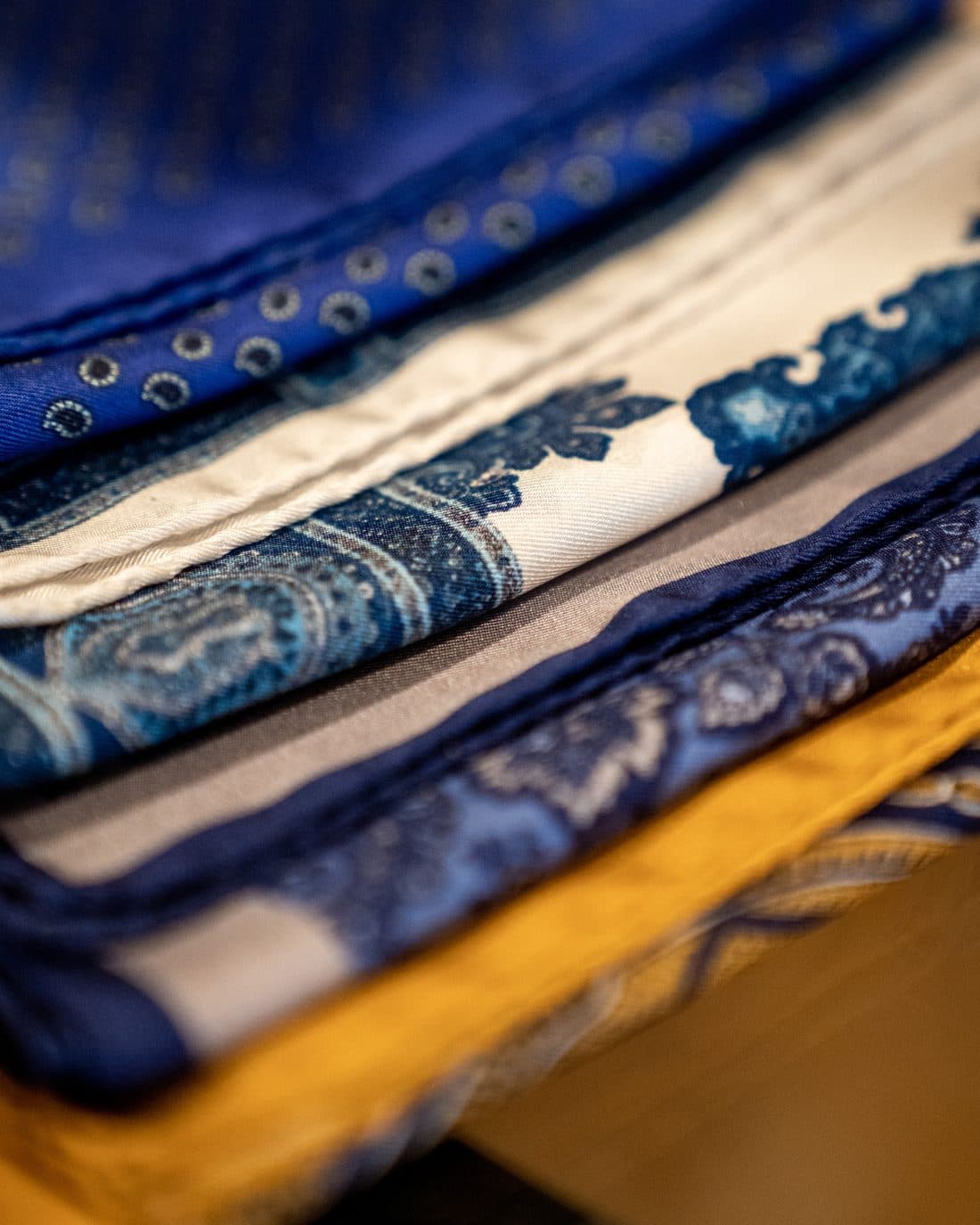
Cloth from Italian mills 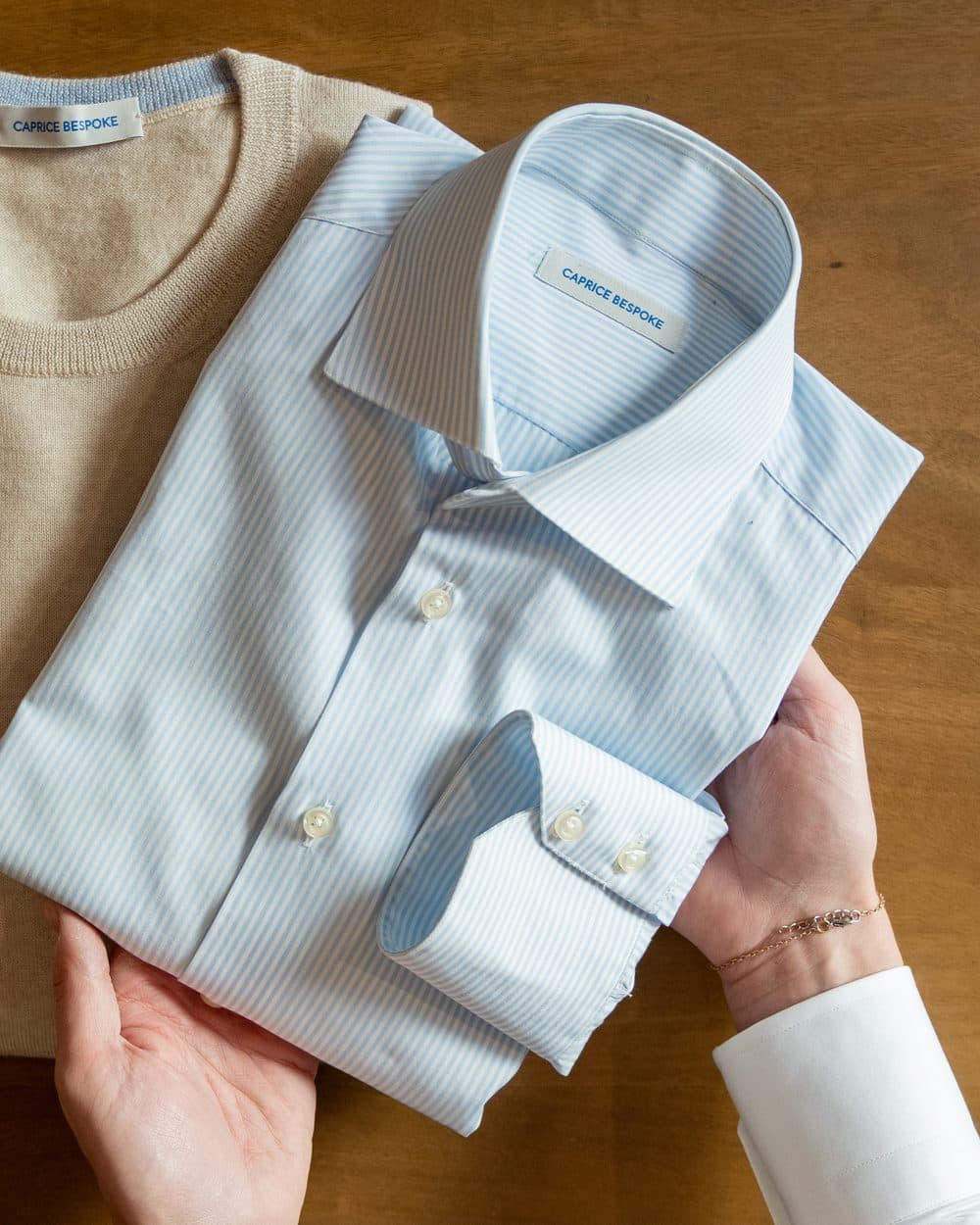
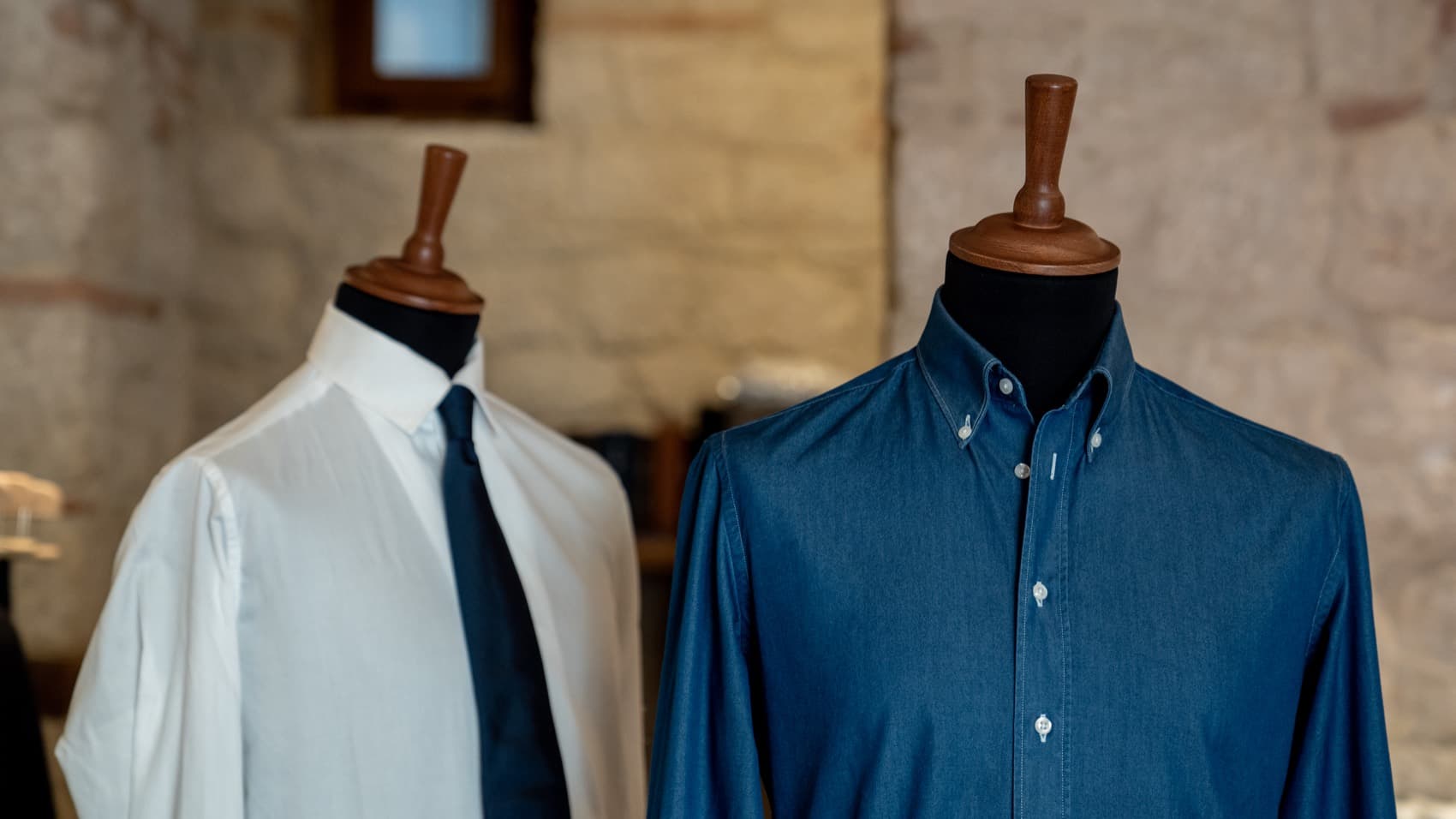
Shirting, cut and finished
- Jackets
- Suits
- Shirts
- Knitwear
- Outerwear
- Trousers
- Accessories
Four ways into the network
Demand on one side, capacity and cloth on the other. Each side gets its own page, because the reason to join is not the same.

“We built the supply chain we wished existed when we started: Italian craftsmanship, made to order, open to brands of any size.”
Made in Italy, by people who make
A real atelier, not a marketplace
Caprice Bespoke is a made-to-measure atelier in Molise, Italy. We produce our own collections with traditional Italian craftsmanship, and we open the same network to other brands. When you produce with us, you work with people who make garments every day.
One company, three ways of meeting it: the Caprice Bespoke label we sell under our own name, the atelier where customers are measured in person, and this production network, which is the same workshops and the same cloth opened to brands and retailers.
- A working atelier
- A made-to-measure atelier in Molise, Italy, producing every day, not a directory of factories.
- 100% Made in Italy
- Traditional Italian craftsmanship and fabric from Italian mills, on every order.
- Measurement technology
- Size Passport captures a customer’s measurements once and reuses them on every later order.
- Made to order
- Garments are produced after the sale, so brands carry less stock and less risk.
Questions, answered
What brands ask before producing in Italy
Do you have a minimum order quantity?
The minimum order quantity is 1 garment. A single piece is a valid order, and so is a full collection. That matters because Italian production is normally quoted against a minimum of dozens or hundreds of pieces per style, and that threshold is what forces a brand to buy inventory before it knows what sells. With no minimum you can test one style at one unit, produce a retail customer’s order in the week it is placed, or run a small batch and repeat it once it sells through. Three patterns come up most often: proving a new product before committing budget, adding a made-to-order line beside an existing stocked range, and fulfilling individual client orders without holding a size run. Unit cost does move with quantity, and we quote it openly before you commit. There is no contract minimum and no obligation to reorder.
Where is production based?
All production is in Italy. Caprice Bespoke is a made-to-measure atelier in Molise and coordinates a network of Italian workshops and fabric mills. Every garment is Made in Italy with traditional sartorial craftsmanship.
What can you manufacture?
We produce tailoring and ready-to-wear: jackets, suits, shirts, trousers, knitwear, outerwear and accessories. Both made-to-measure and standard sizing are available, as private label or white label under your own brand.
How do I start producing my clothing brand in Italy?
Start by telling us two things: what you already sell, and what you want made. You do not need a finished technical specification to open the conversation. A sketch, a garment you want copied, or a reference product you can point at is enough for us to work from, and we turn that into a production-ready spec with you. From there the sequence is fixed. We match the right Italian workshop to the garment and source the cloth. We produce one sample and refine it with you until the fit and finish are right. You approve it, and only then does production begin, followed by quality control and delivery to you or straight to your customer. If you are not trading yet, production is not your first problem and the free learning path is the better starting point. Otherwise, email manufacturing@capricebespoke.com with your sales channel and the product you have in mind.
Can I produce private label clothing without holding inventory?
Yes. Our made-to-order model produces each garment after it sells, so you avoid overstock and markdowns. You can also produce small batches to keep limited stock on hand. You choose the model for each product.
Do I need to be trading already to work with you?
In practice, yes. The platform works best for businesses that already sell: an existing brand, a retail store, an e-commerce, or a made-to-measure service with customers today. Size does not matter and there is no minimum order, so a small operator with real demand is a good fit. If you have not sold anything yet and are still deciding on product, market or positioning, production is not your first problem — start with our learning path instead, and come back when you have something to make.
Can a retailer sell made-to-order instead of buying stock?
Yes, and it is one of the strongest reasons retailers work with us. The conventional sequence is forecast, buy, stock, discount: you commit capital months ahead, then mark down whatever the forecast got wrong. Made-to-order reverses it to sample, sell, produce, deliver. You hold fitting samples in store rather than inventory, take the order once the customer has committed and paid, and we produce the exact size and specification that actually sold. The capital that used to sit in unsold stock stays in the business, and the markdown disappears because nothing was made speculatively. Ready-to-wear, made-to-order and made-to-measure all run through the same ordering workflow, so you can move one category across without changing how the rest of the store buys. Most retailers start with the range that discounts hardest and expand from there once the workflow is familiar.
How long does production take?
Production runs in two scheduled stages, and we confirm dates for your specific project in writing before you commit to either. The first stage is sampling: we make one garment to your specification and send it for approval. The second is the production run itself, which is scheduled only after you sign that sample off, so the finished pieces match something you have physically held. Three things move the date more than anything else. How many sampling rounds the design needs, because a first sample is rarely final. Whether your chosen cloth is in stock at the mill or has to be woven to order. And how many styles are in the run, since one refined style moves faster than a multi-style collection. Rather than publish a generic figure that would be wrong for most projects, we give you a stage-by-stage schedule before you place the order.
What fabrics are available?
We source fabrics from Italian mills: wool, merino, cashmere, cotton, linen, silk blends and performance fabrics. You can specify a fabric from our sourcing network or supply your own. Every fabric is confirmed in the sampling phase before production begins, so you see and approve it before committing to a run.
Can you produce clothing to my customers' individual measurements?
Yes. Made-to-measure production is available alongside standard-size production. Each garment is cut to a specific set of measurements, giving your customers a fit that off-the-rack sizes cannot match. This is particularly suited to tailoring, occasion wear, and brands that sell directly to individual clients. Measurements can be captured once and reused through Size Passport, our web-based measurement record, so a returning customer does not have to be measured again.
How does quality control work?
Quality is checked at three points rather than once at the end. Fabric is inspected before cutting, because a flaw found on the roll costs cloth and a flaw found in a finished garment costs the garment. Assembly is checked in process, while a seam or a shoulder can still be corrected on the same piece. And every order is inspected again before it ships. Anything we find is photographed and documented, and resolved before dispatch rather than reported afterwards. The part that makes this work is structural: we coordinate production directly with the workshops instead of routing through an agent, so quality feedback goes to the people holding the garment on the same day, and a recurring issue changes how the next run is made. If a piece still reaches you wrong, tell us and we correct it — the atelier that made it is the one that fixes it.
Do you ship to customers outside Italy?
Yes. We ship finished garments worldwide — to your warehouse, your showroom, or direct to your end customers under your brand. Duties and import documentation are handled in the shipping process. Most partner brands in Europe and the United States receive production within the agreed lead time.
What types of brands and businesses work with you?
We work with fashion labels, tailoring businesses, existing retail stores, luxury retailers, e-commerce brands, independent made-to-measure sellers, and hospitality companies that want private label uniforms or gifting collections. The common thread is that they are already selling to customers and need Made-in-Italy quality without a large minimum order. Many start with a single garment or one product line before moving more of their range to made-to-order.
Do you also work with manufacturers and fabric suppliers?
Yes. The network has two sides. Italian workshops, factories and ateliers join to fill idle capacity with specified, approved orders and to build recurring production without chasing new clients themselves. Mills, converters and fabric distributors join to get their cloth in front of international brands at the moment those brands choose fabric, and to be specified into production runs. Each side has its own page explaining how it works and what we ask for.
Start here
Already selling? Let’s produce it in Italy.
Tell us what you sell today and what you want produced. We reply with the workshops, the cloth options and a realistic timeline. No minimum order.
Not trading yet? Start with the learning path.